Who will love it
Wat Chalong
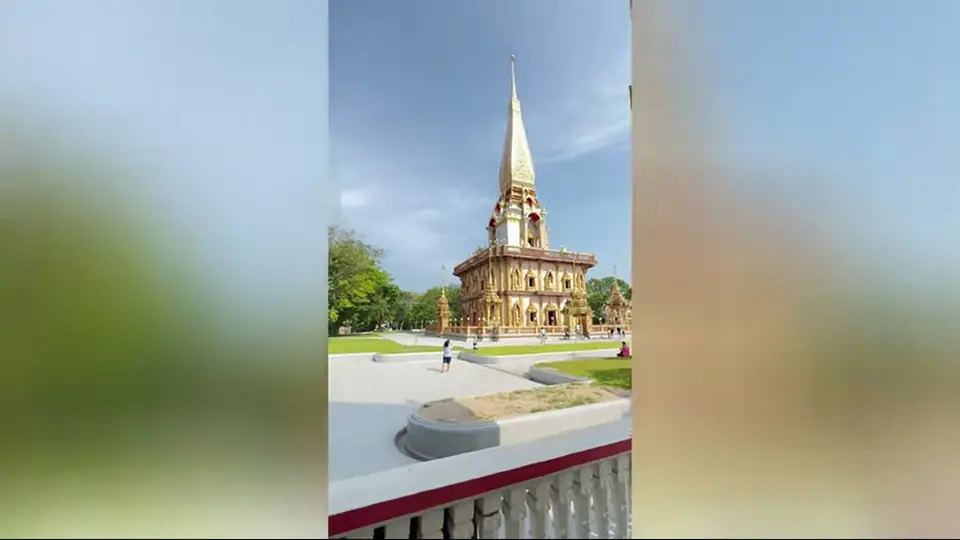
VerdictWat Chalong

Wat Chalong
Before 10:00 AM or after 4:00 PM
Wat Chalong is best approached as a cultural stopover rather than a destination for a whole day. It offers a genuine look at Thai spiritual life and architecture, but its popularity means it can feel busy. It’s perfect for those wanting a bite-sized piece of culture between beaches, but might underwhelm those seeking a vast, silent sanctuary.
Since entry is free, ignore any offers for 'temple tickets'—you are only paying for the ride or the guide. To avoid the worst of the heat and the largest crowds, arrive before 10:00 AM. Also, keep a sarong handy; the dress code is strictly enforced at the main pagoda, and having your own saves time and hassle at the entrance.
Local Insight: The loud cracking sounds you will hear come from a specialized brick oven where firecrackers are lit to celebrate answered prayers, a vibrant local tradition that adds a lively, rhythmic energy to the site.
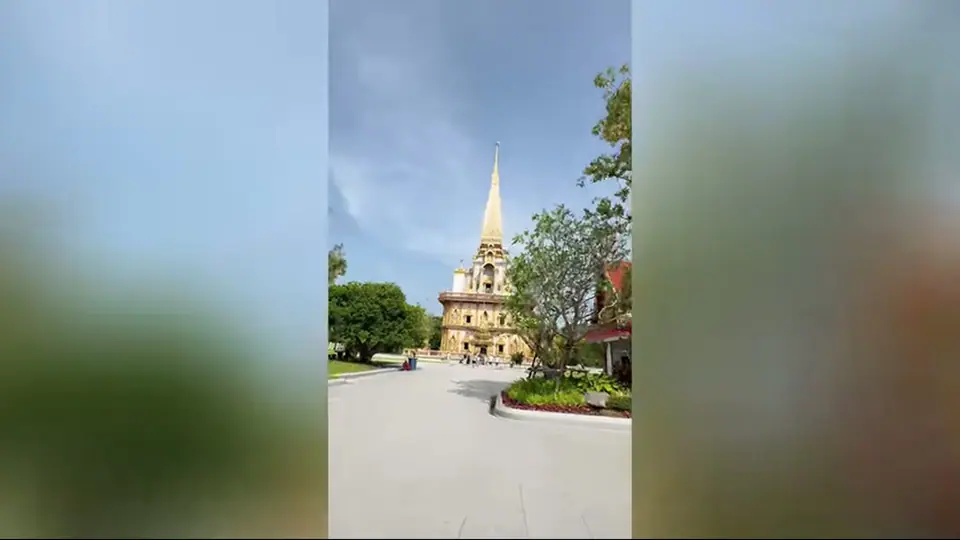
Wat Chalong
Phuket, Thailand
EUR
Wat Chalong is an active religious site where the experience is centered on atmosphere rather than paid attractions. While the temple grounds are traditionally open to the public, organized visits and guided transfers start from 11 EUR.
A basic ticket that covers round-trip transport from your hotel is the most practical choice for most travelers, as it removes the complexity of navigating Phuket's local taxi rates.
Paying for a premium or VIP package usually only adds a private vehicle or a set-menu lunch at a nearby restaurant, rather than providing special access within the temple itself.
A common mistake is booking a high-priced 'full-day' temple tour. Wat Chalong is best enjoyed in a focused 60 to 90-minute visit; spending more on a long-duration ticket often leads to unnecessary downtime.
The most comfortable window for a visit is between 8:00 AM and 10:00 AM. During these early hours, the temperature is manageable, and you can explore the Grand Pagoda before the large tour buses arrive. For photographers, the morning sun provides the best light to capture the vibrant reds and golds of the architecture without the harsh shadows of midday.
If you prefer a quieter experience, late afternoon is an alternative, though the heat can be more intense. Midday should be avoided if possible, as the combination of high humidity and crowds can make the indoor shrine rooms feel cramped. Families and solo travelers will find the morning slots much more relaxed for walking the grounds.
Wat Chalong is a staple of Phuket 'City Tours.' Booking a combo that includes the Big Buddha and Phuket Old Town is the most efficient way to save money, as these sites are geographically grouped.
These bundles are widely available through major booking platforms and local operators, often costing significantly less than arranging individual transport to each landmark.
While there are no specific 'city passes' like those in major capitals, group discounts are frequently available. Families traveling with children should note that kids under 3 or 4 years old typically join organized tours for free, while those up to 12 years old often qualify for a reduced rate.
There are no specific resident discounts for the temple grounds, as it remains a community place of worship.
Taking a guided tour is highly beneficial if you want to understand the cultural significance of the site. A guide provides essential context regarding the life of Luang Pho Chaem, the temple's most famous monk, and explains the specific rituals you will see locals performing, such as the lighting of firecrackers.
They also ensure you adhere to the strict dress code—keeping shoulders and knees covered—and help navigate the etiquette of removing shoes before entering the shrines.
If your primary goal is simply to see the architecture or take photos, a self-guided visit is perfectly sufficient. The site is compact and easy to navigate on your own, provided you have arranged your own transport to and from the Chalong area.
Mini-calculator based on crowd levels by day and time.
Mini-calculator based on crowd levels by day and time.
This day has average visitor density. This slot has a higher chance of a comfortable visit: compromise between light and visitor flow. But today's weather is weak for panoramas: drizzle 🌧️.
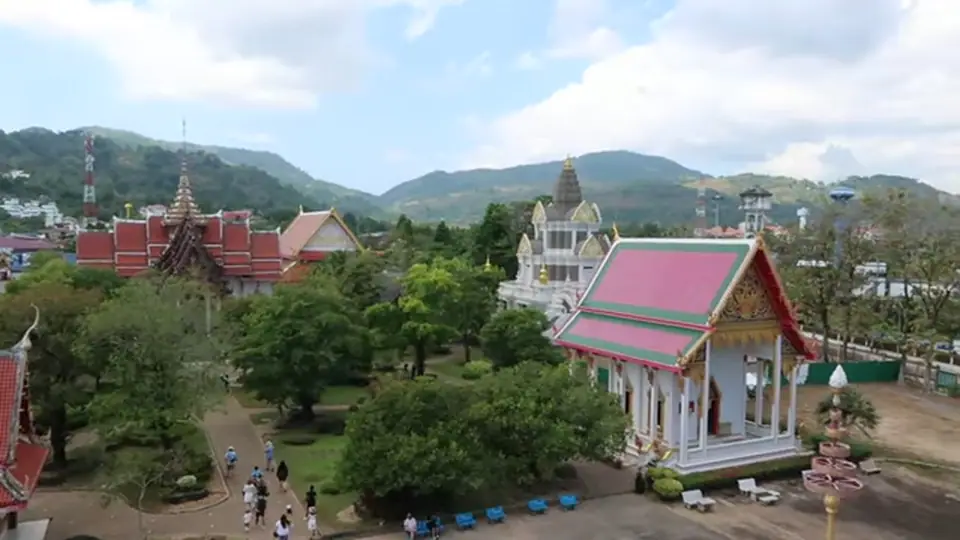
Reaching the heart of the complex is simple, but the layout can feel scattered upon arrival. After passing through the main gate on Chao Fa West Road, you will enter a large open area filled with various halls and a prominent three-story pagoda. Most visitors lose time navigating the parking lot, which often gets crowded with large tour groups.
To reach the main interior spaces, look for the Grand Pagoda (Chedi). Before stepping inside any of the religious buildings, you must leave your shoes on the racks provided at the stairs. There is no formal ticketing booth because entry is free, though donation boxes are available inside for those who wish to contribute.
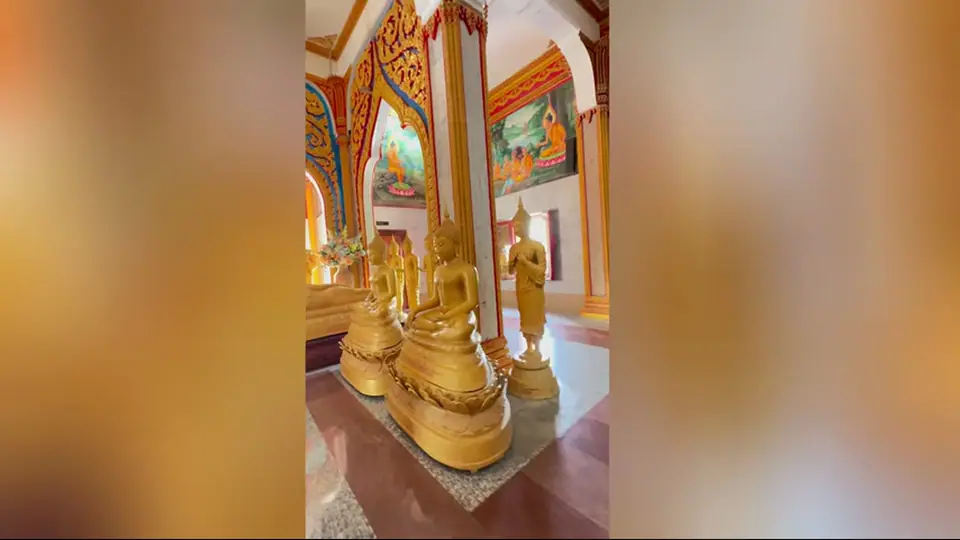
Wat Chalong is a functioning religious site on Chao Fa West Road, open daily from 08:00 to 17:00. The most critical factor is the dress code: both men and women must have their shoulders and knees covered. If you arrive in improper attire, you can purchase a sarong at the nearby stalls for 4 EUR.
You must remove your shoes before entering any temple building; these are left on communal racks outside, so wear simple sandals rather than expensive footwear.
The heat is intense during the day as the complex is paved and offers limited shade. Arrive before 10:00 to avoid the largest crowds and peak temperatures. While the grounds are flat and accessible for those with limited mobility, the upper levels of the Grand Pagoda (Chedi) are only reachable via narrow stairs.
While organized tours require booking, independent entry to the grounds is direct and does not involve a formal check-in process.
There are no lockers or luggage storage facilities at Wat Chalong. You must carry all personal items with you throughout the visit. Large suitcases are not permitted inside the temple buildings and are difficult to navigate across the grounds; leave them in your vehicle or at your hotel.
Strollers are permitted on the outdoor paths but must be left outside the entrance of each chapel or pagoda before you enter.
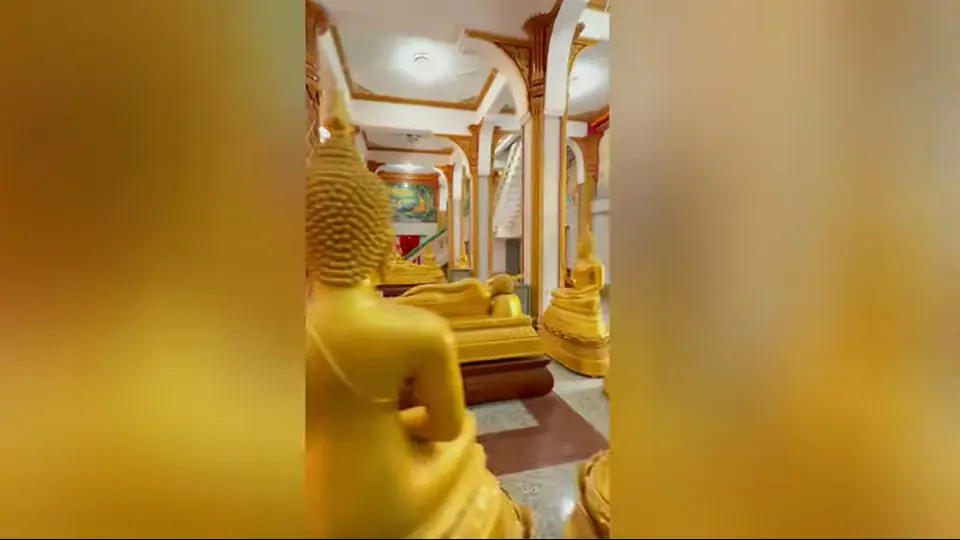
Start your morning at Wat Chalong to experience the temple in its most peaceful state before the midday heat. Take a short taxi ride to the Big Buddha for panoramic views of the island, then head to Chalong Bay Rum Distillery for a relaxed lunch in their tropical garden.
Finish your afternoon exploring the historic streets of Phuket Old Town, followed by a seafood dinner at Kan Eang @pier overlooking the bay.
Take note: Visit the temple in the early morning to avoid the midday heat and the largest tour bus crowds.
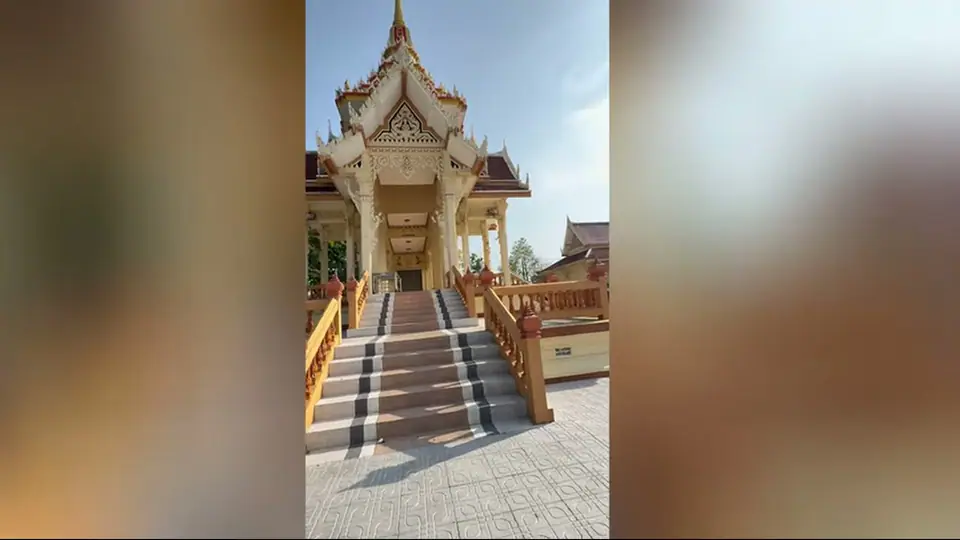
Wat Chalong
Phuket, Thailand
Wat Chalong stands as the most significant Buddhist landmark in Phuket, serving as a spiritual anchor for the island since the 19th century.
It gained its historical importance through the leadership of two revered monks, Luang Pho Chaem and Luang Pho Chuang, who provided medical aid and moral support to locals during a major rebellion in 1876. Today, it remains an active center of worship where the island's history and religious traditions intersect.
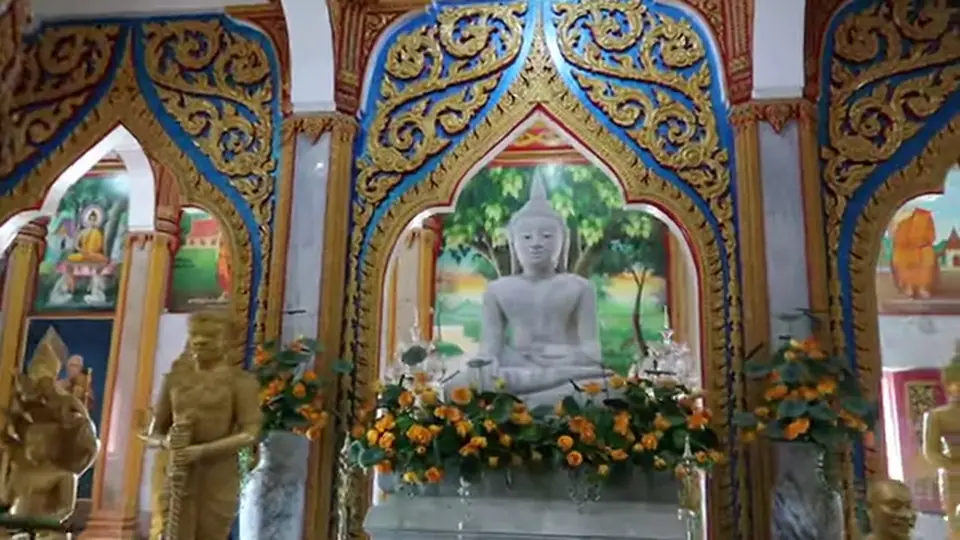
The centerpiece of the complex is the 60-meter-tall Grand Pagoda, which was built to house a sacred relic—a fragment of Lord Buddha’s bone. Inside, the walls are decorated with detailed murals illustrating the life of Buddha, leading up to a top floor that offers a panoramic view of the temple grounds.
Unlike a static museum, the site is filled with the daily rituals of local residents, from the offering of lotus flowers to the lighting of incense.
Visitors will frequently hear the sharp crackle of firecrackers from a dedicated brick oven near the main hall. This is a local custom performed to express gratitude when a prayer or wish is believed to have been granted.
For those exploring southern Phuket, the temple provides a meaningful cultural pause, offering a glimpse into the spiritual life that exists beyond the island's coastline.
Partial accessibility; grounds are navigable, but temple interiors require climbing stairs.
Yes, though the loud firecracker tradition may startle young children.
The grounds of Wat Chalong are flat and paved with smooth concrete, making them easy to navigate for wheelchair users and parents with strollers. However, the architectural design of the temples involves elevated entrances.
The Grand Pagoda, which houses the Buddha relic, spans three floors accessible only by steep stairs; there are no elevators or ramps for the upper levels. Visitors with reduced mobility can still enjoy the exterior architecture and the main floor of the prayer halls which have fewer steps.
Entry to the temple complex is free for all visitors (0 EUR). There are no specific age limits, but children under 16 must be accompanied by an adult. Strollers are permitted on the temple paths but must be parked outside the building entrances, as footwear is prohibited inside the sacred spaces.
Parents should be aware of the 'firecracker oven' located near the center of the complex; the frequent, loud explosions are part of local merit-making and can be distressing for infants or children with sensory sensitivities.
The temple dress code applies to all guests, including children: shoulders and knees must be covered. While the site is open throughout the day, families are advised to visit before 10:00 to avoid the high humidity and the largest crowds, as the narrow staircases inside the pagoda can become congested.
Wat Chalong is a functional religious complex rather than a commercial tourist attraction, so facilities are practical and centered around the parking and entrance areas.
* Restrooms: Public toilets are located at the rear of the complex, near the parking area. They are free to use, though a small donation of approximately 0.20 EUR is often welcomed for maintenance. Facilities are basic but kept clean.
* Food and Drink: There is no formal restaurant inside the temple grounds. However, several casual stalls near the entrance sell chilled bottled water, fresh coconuts, and local snacks. For a full meal, numerous local Thai eateries are located just outside the main gates.
* Gift Shop: You will find stalls selling religious items, including incense, candles, and gold leaf for offerings. Some vendors also sell traditional Thai souvenirs and light clothing, such as sarongs, which are useful if you need to cover your shoulders or knees to meet the dress code.
* Connectivity and Comfort: There is no public Wi-Fi available on the temple grounds. While there are no dedicated nursing or baby-changing rooms, the open-air pavilions provide shaded seating areas to rest.
It is highly recommended to bring your own water bottle, as there are no public drinking fountains on-site.